
Backgammon: Dice Board Game
Blackout LabBoard
4.53.14K Reviews
- Version
- 1.30.0
- Installs
- 1.00M
- Age Rating
- Everyone
Screenshots
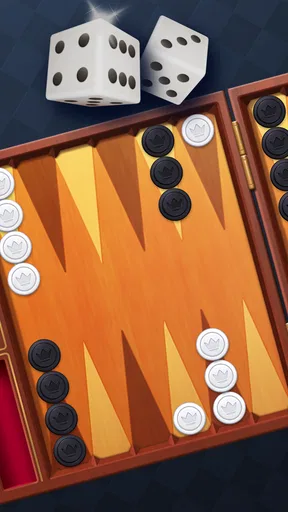
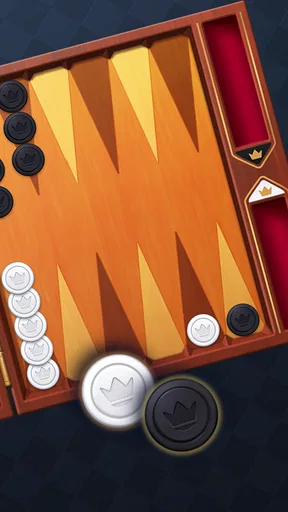
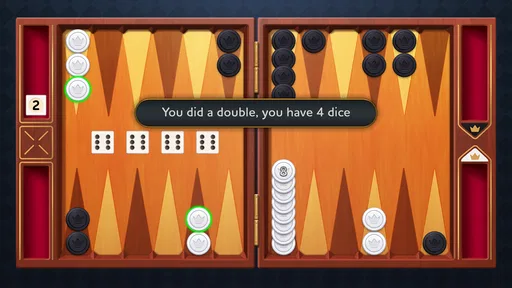
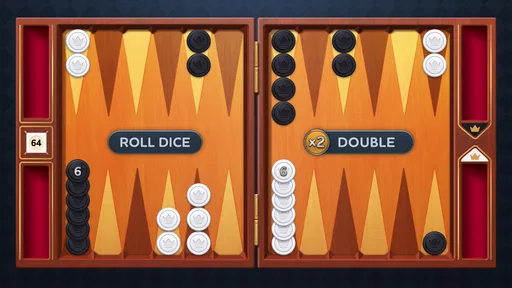
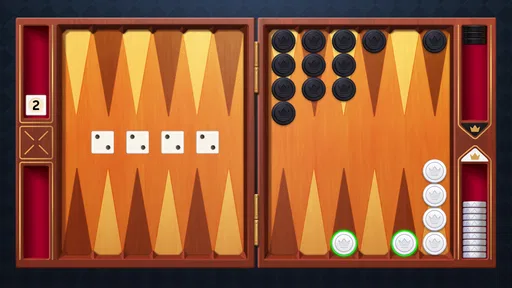
Our Review of Backgammon: Dice Board Game
 Analysis by Appyee
I spent time with Backgammon: Dice Board Game as a simple way to play the classic dice-and-board game on a phone. It comes from Blackout Lab, is free to download, and sits in the board-game category rather than trying to be a broad collection of unrelated mini-games. That focus is its main appeal: you open it for backgammon, make a few moves, and leave without having to learn a new system.
Backgammon is easy to recognize but surprisingly deep once the dice start forcing uncomfortable decisions. You are balancing safe moves, aggressive hits, blocked points, and the risk of leaving a piece exposed. A digital version needs to make that rhythm comfortable on a small screen, because the board can become difficult to read when several pieces occupy neighboring points. My overall impression is that this game is best viewed as an accessible everyday backgammon option, especially for people who want a familiar board game without paying to get started.
What playing it feels like on a phone
The first thing I noticed is how naturally the format suits short sessions. A physical backgammon match needs a board, dice, and another person nearby. Here, the entire game is available whenever I have a spare moment. That makes it useful during a quiet break, while waiting for an appointment, or at home when I want something more thoughtful than a quick reflex game.
The rules are not difficult to understand, but the decisions are. A beginner can learn the basic movement quickly, yet still discover new mistakes after many matches. I often found myself making a move that looked safe until I considered the opponent’s possible roll. That is where the game earns its place as a board title rather than a dice-rolling novelty.
The free price is important for this kind of app. I can recommend trying it without asking someone to commit money before knowing whether digital backgammon suits them. At the same time, “free” should not be confused with a promise that every part of the experience is free from interruptions or optional spending. The confirmed price is free, while the exact purchase structure is something I would check directly on the device before treating it as a long-term replacement for a physical set.
That distinction matters because backgammon is naturally repeatable. A person may play one match, then another, then start caring about results or progress. Any game that encourages repeated sessions deserves a closer look at how it handles attention and spending. I would begin with casual play, notice how the app presents its available options, and only then decide whether it deserves a permanent place on my phone.
Learning the board without feeling lost
For someone new to backgammon, the most useful approach is to treat the first matches as practice in reading positions rather than as tests of skill. I recommend looking at every possible move before touching a piece. The best-looking move is not always the one that advances farthest; sometimes it is the move that creates a block, protects a lone checker, or keeps several future choices open.
A helpful habit is to pause after the dice appear and ask three questions: can I hit an exposed piece, can my opponent hit one of mine, and does this move leave me with a better position if the next roll is awkward? This simple routine turns random rolls into meaningful decisions. It also reduces the frustration of losing to a move that seemed obvious at first.
Another practical tip is to separate learning from winning. If I always choose the safest-looking play, I may finish a few games but learn less about attacking positions or building a blockade. Trying a more active move occasionally makes the consequences clearer. That is especially useful on a phone, where the convenience of quick matches can otherwise encourage automatic tapping.
Progress, pressure, and the cost of repeated play
Backgammon has a built-in source of pressure: every roll can change the value of a position. A strong plan can become dangerous when a piece is left behind, while a poor-looking position can recover through a useful combination. This uncertainty keeps matches interesting, but it can also make a losing streak feel personal even when luck played a large part.
I find the healthiest way to use this game is to set a session boundary before starting. One or two matches can be a pleasant break; continuing until a loss is “recovered” can turn a relaxed board game into a frustrating loop. The app is well suited to short play, but that convenience also makes it easy to keep going without noticing how much time has passed.
Spending deserves the same deliberate approach. Since the game is listed as free, a new player can start without an upfront purchase. I would still avoid buying anything impulsively after a difficult match. Optional digital items, if presented, should be judged by whether they improve convenience or merely encourage another round. I would also check the purchase screen carefully before confirming anything, particularly if a child might use the device.
The age rating is Everyone, which makes the game broadly approachable for families and younger players. That does not remove the need for ordinary device supervision around purchases and screen time. A parent choosing it for a child should first play a few rounds together, explain that dice create unavoidable setbacks, and look through the available menus so the child understands what is part of the game and what may involve spending.
Fairness when dice decide the match
Fairness in backgammon is more complicated than simply asking whether the better player always wins. Dice create uncertainty, and a player can make sensible decisions yet lose because the rolls do not cooperate. That is part of the identity of the board game, not automatically evidence of a problem. The real test is whether the app makes the rules and outcomes feel understandable enough that I can separate bad luck from a bad decision.
When I review a digital dice game, I pay attention to whether the board clearly shows the result, whether legal moves are easy to identify, and whether a rushed tap can create confusion. Clarity is a fairness feature. If I understand why a move is available and can follow the result, I am more willing to accept an unlucky turn. If the interface makes the action unclear, even ordinary variance can feel suspicious.
This title is a better fit for players who enjoy probability mixed with planning than for people seeking a pure skill contest. A chess app offers more control over every outcome, while a card game may provide a different balance between hidden information and chance. Backgammon occupies its own middle ground: decisions matter greatly, but they operate inside the limits of the dice.
That also affects how I would judge a competitive result. I would not use one short session to decide whether I am improving. Instead, I would watch for repeated habits: leaving single pieces exposed, missing chances to build safe points, or moving too many checkers forward without a plan. Reviewing those choices is more useful than blaming the roll that ended the game.
Who will enjoy it, and who should choose something else
I would recommend this game to someone who already knows the basic rules and wants a convenient digital board. It is also a reasonable starting point for a curious beginner who is willing to learn through play rather than expecting an instant tutorial to explain every strategic idea. The focused format makes it easier to return to the same game repeatedly and notice gradual improvement.
It suits people who like thoughtful sessions with a random element. You can make careful plans, but you must remain ready to change them. That combination is more engaging than a completely predictable puzzle and less demanding than a long strategy game that requires constant concentration.
I would be more cautious about recommending it to someone who dislikes luck in competitive games. If losing because of a sequence of rolls feels unacceptable, a deterministic board game will probably be a better choice. I would also point a player toward a different option if they want a large social community, extensive tournament tools, or a broad selection of board games in one application. This is a focused backgammon experience, not a general tabletop platform.
It may also be the wrong choice for someone who wants a completely transparent spending experience before installing anything. The game itself is free, but I would inspect the in-app presentation personally rather than assume that “free” answers every question about optional purchases. For a person who only wants a physical-style match with no digital extras, a real board remains simpler once another player is available.
Small habits that make matches more useful
One of my favorite ways to use a phone version is as a position-reading exercise. Instead of rushing to finish, I choose one theme for a session. I might focus on protecting the back checkers, building consecutive points, or deciding when a hit is worth the exposure it creates. Limiting the lesson to one idea makes the match easier to remember afterward.
A second useful habit is to identify the “quiet” move. Players naturally look for a hit or the largest advance, but a quiet move can improve the structure of the board without creating immediate drama. Before committing, I compare the exciting option with a move that leaves fewer weaknesses. This is a practical way to turn the game’s short sessions into genuine practice.
I also suggest stopping after a match that teaches something, whether it was a win or a loss. That prevents the common cycle of playing again simply to erase an unpleasant result. Because the game is always available, the best discipline is personal rather than technical: decide what you wanted from the session, then close it when that goal is met.
For family play, taking turns discussing possible moves can make the app more valuable than silently passing a phone around. A parent and child can compare a safe move with an aggressive one and talk about why neither is guaranteed to work. The Everyone rating supports that broad audience, but the conversation is what turns a luck-heavy result into a useful learning moment.
What I would check before committing to it
The public figures suggest that this is not an obscure experiment. It has an average rating of 4.5 from around 38 thousand ratings, and it has passed one million installs. Those numbers make me more comfortable suggesting that interested players give it a try, although popularity cannot tell me whether its exact interface, purchase prompts, or preferred play style will suit every person.
Blackout Lab has kept the game available across older devices, with Android compatibility beginning at version 7.0. That is helpful if I am reviewing it on a phone that is not new. The current release is version 1.30.0, so I would install the latest available build rather than judge the experience from an old copy. Updates can affect small interface details, performance, and how menus are arranged.
There are still practical questions I would answer by opening the app myself: how comfortable the board feels on my screen, how quickly I can understand each turn, and how much the game emphasizes continued play. Those are not details I would invent from a short description. They are part of the personal fit, and they can vary depending on the phone, the player’s eyesight, and tolerance for interruptions.
I would also decide whether the game meets my preferred kind of competition. Someone who wants to play against a friend in the same room may value a physical board more. Someone who wants a structured online ladder may prefer a specialist platform built around competitive backgammon. Someone who wants a relaxed solo break may find this focused app more convenient than either alternative.
My trust verdict after weighing convenience and restraint
My recommendation is positive but measured. The strongest reason to try it is straightforward: it brings a familiar board game to a phone at no upfront cost, works for a wide age range, and offers enough strategic tension to remain interesting beyond the first few matches. The large install base and strong average rating reinforce that it has found an audience, without replacing my own judgment about how it feels to play.
The main caution is not about the rules of backgammon; it is about expectations. Dice will produce unfair-looking moments, and a free game may still invite attention or optional spending. I would approach both with a clear limit. Play for the decisions, not for the promise of controlling every result, and treat any purchase as something to inspect calmly rather than an answer to a losing streak.
My final advice is to install it if you want convenient, focused backgammon and are comfortable with chance shaping the outcome. Give it a few short sessions, try the position-reading habits above, and decide whether the board remains clear and enjoyable on your device. If you need a fully deterministic contest, a deep social tournament environment, or a guaranteed purchase-free experience, another board-game option may fit better. For casual practice and familiar matches wherever I happen to be, this is a sensible free starting point.
Verdict
Strengths of Backgammon: Dice Board Game
- Simple rules make it easy for beginners to start playing.
- Quick matches fit well into short breaks or casual gaming sessions.
- Classic board design provides a familiar backgammon experience.
- Random dice rolls add suspense and keep matches unpredictable.
- Suitable for players who enjoy strategic games without complex controls.
Limitations of Backgammon: Dice Board Game
- Dice luck can sometimes outweigh careful planning during a match.
- Limited variation may make the experience feel repetitive over time.
- Online features may depend on a stable internet connection.
- Some players may find the interface less engaging than modern board games.
- Ads or optional purchases can interrupt the otherwise casual experience.
Other Releases by Blackout Lab
View All
Bubble Shooter Rainbow
Puzzle4.7

Word Search Quest - Puzzles
Word4.8
Similar Picks in This Category
View All
Ludo King®
Gametion4.1

Ludo
Yarsa Games4.6

Tile Master® - Matching Game
Higgs Studio3.6

Checkers Online
CC Games4.6

Dominoes
Loop Games4.7

Chess
Chess Prince4.6
Frequently Asked Questions
What is Backgammon: Dice Board Game?
Backgammon: Dice Board Game is a digital version of the classic two-player board game in which players race their checkers around the board and try to remove them before their opponent. The app generally combines traditional backgammon rules with touch controls, animated dice rolls, and selectable opponents, making it suitable for both quick casual matches and more competitive play.
Can beginners learn how to play Backgammon: Dice Board Game easily?
Yes, the game is accessible to beginners, although understanding the best moves may take some practice. New players should first become familiar with rolling the dice, moving checkers legally, hitting exposed pieces, entering checkers from the bar, and bearing them off. Playing against an easier computer opponent is a useful way to learn without the pressure of a live match.
Can I play Backgammon: Dice Board Game offline?
Backgammon: Dice Board Game may support offline play when you are competing against the device, which is convenient during travel or when mobile data is unavailable. However, features involving online multiplayer, leaderboards, advertisements, account synchronization, or updates may require an internet connection. It is worth checking the app’s current store description because available modes can vary between versions.
Does Backgammon: Dice Board Game offer online multiplayer?
Many backgammon apps include online matches, but the exact multiplayer options depend on the version installed and the developer’s current features. If online play is available, you may be able to challenge other users, invite friends, or participate in ranked games. Before downloading, review the permissions, login requirements, matchmaking details, and whether any multiplayer features involve in-app purchases.
Is Backgammon: Dice Board Game free to download and play?
The game can typically be downloaded without an upfront purchase, but free access may be supported by advertisements, optional purchases, or premium upgrades. These extras can sometimes remove ads, unlock boards, provide additional game modes, or enhance customization. Check the Google Play or App Store listing for the latest pricing, in-app purchase information, and any subscription conditions before installing.
Play our best games!


